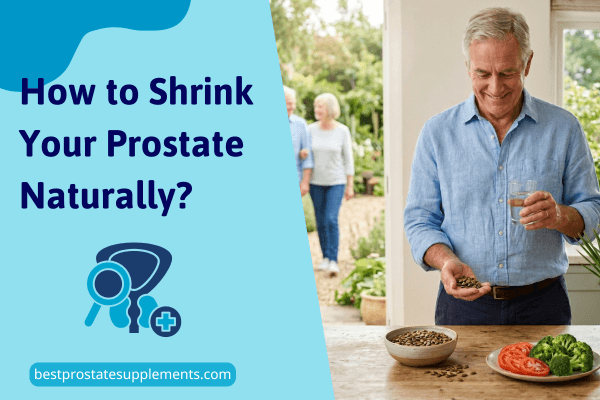
💡 Quick Answer: How to Shrink Your Prostate Naturally
While BPH isn’t “cured” overnight, these natural strategies can help reduce symptoms and support prostate health:
- Dietary Shifts: Boost Lycopene (tomatoes) & Zinc (pumpkin seeds).
- Herbal Support: Use Saw Palmetto or Beta-sitosterol.
- Weight Control: Reduce visceral fat.
- Fluid Timing: Avoid drinking 2–3h before bed.
- Limit Irritants: Cut caffeine & alcohol.
This comprehensive guide explores the multifaceted approach to managing an enlarged prostate, known medically as Benign Prostatic Hyperplasia (BPH). For many men over 50, the symptoms—frequent nighttime urination, a weak stream, and the constant “urge to go”—become a significant hurdle to quality of life.
While pharmaceutical interventions like alpha-blockers or 5-alpha reductase inhibitors are common, many men seek to understand how to shrink the prostate naturally to avoid potential side effects like lethargy or sexual dysfunction. Below, we dive deep into the science-backed lifestyle changes, dietary shifts, and supplemental strategies to help you regain control.
How to Shrink Your Prostate Naturally: The Definitive Guide to BPH Relief and Prostate Health
The prostate is a small, walnut-sized gland that is part of the male reproductive system. As men age, the prostate undergoes a secondary growth spurt. While this is a normal part of aging for most, for others, the prostate begins to press against the urethra, acting like a kink in a garden hose. This is BPH.
The good news? Research suggests that inflammation, insulin levels, and diet play massive roles in how quickly the prostate grows. By addressing these factors, you can manage symptoms and, in some cases, help reduce the size or the impact of the gland.
1. The “Prostate Power” Diet: Foods That Fight Growth
Diet is your first line of defense. Chronic inflammation is often cited as a primary driver of BPH. By consuming anti-inflammatory foods, you create an environment where the prostate is less likely to swell.
The Role of Lycopene
Lycopene is a potent antioxidant found in red fruits and vegetables. Research, including studies cited by the Journal of Nutrition, suggests that lycopene can slow the progression of BPH.
- Source: Cooked tomatoes (sauce, paste) are superior to raw tomatoes because the heat breaks down cell walls, making the lycopene more bioavailable.
- Others: Watermelon, pink grapefruit, and papaya.
Cruciferous Vegetables
Broccoli, cauliflower, kale, and Brussels sprouts are rich in a compound called sulforaphane. This helps the liver detoxify excess hormones—specifically estrogen—which is believed to contribute to prostate enlargement in older men as their testosterone levels naturally decline.
The Power of Zinc
The prostate contains the highest concentration of zinc in any soft tissue in the body. Zinc is essential for normal prostate function and has been shown to reduce the inflammatory response.
- Sources: Pumpkin seeds (pepitas), oysters, and legumes.
2. Targeted Herbal Supplements
When looking at best prostate supplements, certain ingredients have stood the test of time in clinical trials.
| Supplement | Primary Benefit | Scientific Backing |
| Saw Palmetto | Reduces DHT levels (a hormone that grows the prostate). | Mixed, but widely used for nocturia (night peeing). |
| Beta-Sitosterol | Improves urinary flow and reduces residual urine. | High; often found in high-quality plant sterol blends. |
| Pygeum Africanum | Reduces inflammation and improves bladder elasticity. | Strong evidence for reducing nighttime frequency. |
| Stinging Nettle | Works synergistically with Saw Palmetto to block growth. | Often used in European clinical medicine for BPH. |
Note: Always consult with a healthcare provider before starting a new supplement regimen, especially if you are currently taking blood thinners or blood pressure medication.
3. Managing Insulin and Metabolic Health
Recent studies have highlighted a startling link between Metabolic Syndrome and BPH. High levels of insulin (hyperinsulinemia) act as a growth factor for prostate cells.
- Reduce Refined Sugars: High-sugar diets spike insulin, which may inadvertently “feed” the growth of prostate tissue.
- Intermittent Fasting: Some experts suggest that giving the body windows of time without food helps lower baseline insulin levels, potentially slowing the growth of the gland.
- Weight Management: Excess body fat, particularly around the midsection, converts testosterone into estrogen via an enzyme called aromatase. More estrogen relative to testosterone is a known trigger for BPH.
4. Lifestyle Adjustments and Bladder Training
Sometimes, shrinking the symptoms is just as effective as shrinking the gland. How you manage your daily habits can drastically reduce the “urgency” factor.
The 2-Hour Rule
To avoid the dreaded 3:00 AM wake-up call, stop all fluid intake at least two hours before bed. Additionally, avoid bladder irritants like caffeine and alcohol in the evening, as they act as diuretics and can irritate the lining of the bladder, making the urge to urinate feel more intense than it actually is.
Double Voiding
This is a simple technique recommended by urologists. When you finish urinating, wait a moment, relax, and try to go again. This helps ensure the bladder is truly empty, extending the time between bathroom trips.
Pelvic Floor Exercises (Kegels)
Men have pelvic floor muscles just like women. Strengthening these muscles can help improve bladder control and reduce “dribbling” after urination.
- How-to: Squeeze the muscles you would use to stop yourself from passing gas. Hold for 3 seconds, relax for 3, and repeat 10 times.
5. What to Avoid: The Prostate “Enemies”
Knowing what not to do is just as important as knowing what to do.
- Over-the-Counter Decongestants: Meds containing pseudoephedrine (like Sudafed) can tighten the muscles in the prostate and bladder neck, making it much harder to pee.
- Antihistamines: Drugs like Benadryl can prevent the bladder muscle from contracting, leading to urinary retention.
- Red Meat and Dairy: Some studies suggest that high consumption of saturated fats and hormones found in conventional dairy may accelerate prostate growth.
6. The Role of Stress and Cortisol
Chronic stress keeps the body in a “fight or flight” mode. This creates tension in the pelvic floor and can exacerbate BPH symptoms. High cortisol levels also contribute to systemic inflammation. Incorporating 10 minutes of daily meditation or deep breathing can relax the nervous system and, by extension, the smooth muscles surrounding the prostate.
When to Seek Professional Medical Help
While natural methods are effective for many, BPH can sometimes lead to Acute Urinary Retention—a medical emergency where you cannot pee at all.
Consult a doctor immediately if you experience:
- Complete inability to urinate.
- Blood in the urine (Hematuria).
- Fever or chills accompanied by pain in the lower back (signs of a prostate infection or prostatitis).
- Painful urination that does not improve with hydration.
Conclusion: Consistency is Key
Learning how to shrink the prostate naturally is not a “quick fix.” It is a cumulative process. By combining a lycopene-rich diet, targeted supplements like Beta-sitosterol, and consistent pelvic floor exercises, most men see a significant improvement in their symptoms within 3 to 6 months.
The goal isn’t just to reduce the size of a gland; it’s to reclaim your sleep, your confidence, and your freedom from the nearest restroom.
Relater article at : https://bestprostatesupplements.com/
Authority & Scientific References:
- Harvard Medical School: The growing prostate: A guide to BPH
- Mayo Clinic: BPH Lifestyle and Home Remedies
- National Institutes of Health (NIH): Dietary factors in the pathogenesis of BPH
- Urology Care Foundation: What is Benign Prostatic Hyperplasia?
Disclaimer: This content is for informational purposes only and does not constitute medical advice. Always seek the advice of your physician or other qualified health provider with any questions you may have regarding a medical condition.